
Home Automation System in Pakistan: Your Complete Guide to Smart Living in 2025
If you live in Lahore, Islamabad, Peshawar, or Multan and you’re tired of getting out of bed to turn off the lights, worrying about whether you locked the front door while you’re at work, or coming home to a hot house during Pakistan’s scorching summer months, you’re not alone. Home automation system in Pakistan is transforming how Pakistani families live, and it’s more affordable and accessible than you might think.
Pakistan’s smart home market has grown significantly in recent years, with cities like Lahore and Islamabad leading the adoption. From DHA and Gulberg residents installing complete automation systems to middle-class families in Johar Town and Bahria Town starting with basic smart switches, home automation is no longer just for tech enthusiasts or the ultra-wealthy.

What is Home Automation and Why Does It Matter in Pakistan?
Home automation means connecting your home’s devices and appliances to the internet so you can control them remotely using your smartphone or voice commands. In Pakistan’s context, this technology addresses several unique challenges that our families face daily.
During load shedding, your smart home system automatically reconnects when power returns, maintaining all your programmed settings. This is especially important in cities like Multan and Faisalabad where power outages can disrupt daily routines. When you’re traveling to visit family in another city or going on Umrah, you can monitor your home security cameras from anywhere in the world. During Pakistan’s extreme weather, you can turn on your air conditioner 30 minutes before reaching home so you walk into a cool environment.
The real appeal for Pakistani families is the combination of convenience, security, and significant savings on electricity bills. With electricity rates continuously increasing, smart automation can reduce your monthly WAPDA bill by up to 30% through intelligent energy management.
How Does Home Automation Work in Pakistan?
Many people think home automation requires complex wiring and expensive infrastructure changes. This is completely wrong. Modern smart home technology in Pakistan works through your existing WiFi network without any special wiring or structural modifications to your house.
The basic setup includes smart devices like switches, bulbs, sensors, or door locks that connect to your home WiFi router. You then control these devices through a mobile app on your smartphone. Most systems are compatible with popular voice assistants like Google Assistant and Amazon Alexa, which are widely available in Pakistan.
For example, if you want to automate your bedroom in Lahore, you would install smart light switches, a smart fan controller, and perhaps a smart plug for your geyser. All these devices connect to your WiFi network, and you control them through a single app on your phone. You can set schedules, create automation rules, and even control devices with your voice.
The installation process is straightforward enough that a regular Pakistani electrician can handle it without specialized training. Most installations in Gulberg, Model Town, or DHA Lahore are completed within 2-4 hours.
Essential Home Automation Devices for Pakistani Homes
Smart Light Switches and Bulbs
Smart lighting is where most Pakistani families start their automation journey, and for good reason. Smart switches replace your existing wall switches without requiring any rewiring. You can control lights from your phone, set schedules so lights turn on at Maghrib time, or dim lights for a comfortable evening atmosphere.
In Lahore’s Defence Housing Authority or Islamabad’s Sector E-11, residents use smart lighting to create welcoming scenes when they arrive home. The lights automatically turn on as you approach your gate, and turn off when you leave for work. This not only provides convenience but also enhances security by making it appear someone is always home.
Brands like Schneider, Tuya, and other quality options available at stores in MM Alam Road Lahore or Blue Area Islamabad typically cost between Rs. 1,250 to Rs. 2,500 per switch. Smart bulbs with color-changing capabilities range from Rs. 990 to Rs. 2,690.
Smart Door Locks
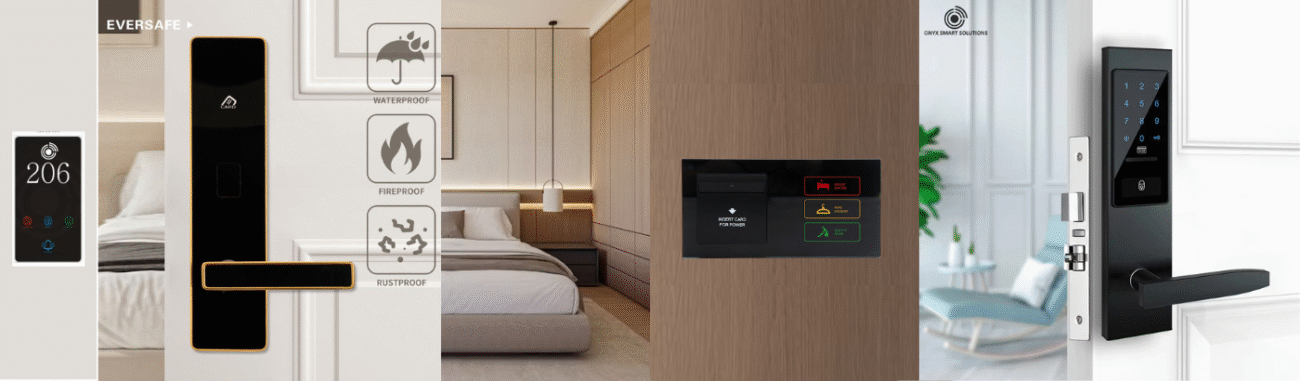
Security is a major concern for Pakistani families, especially in major cities. Smart door locks eliminate the need for traditional keys. You can unlock your door using your fingerprint, a mobile app, or a PIN code. This is particularly useful when you have domestic help, as you can provide temporary access codes that expire automatically.
The auto-lock feature ensures your door locks automatically when you leave, and you receive tamper alerts if anyone tries to break in. For families in Bahria Town Lahore, DHA Karachi, or Islamabad’s upscale sectors, smart locks provide peace of mind when traveling or during late work hours.
Quality smart door locks in Pakistan range from Rs. 15,000 to Rs. 45,000 depending on features and brand.
WiFi CCTV Cameras
Smart security cameras let you monitor your home, shop, or office from anywhere through your smartphone. Unlike traditional CCTV systems that require DVRs and complex wiring, WiFi cameras connect directly to your internet router.
These cameras are essential for monitoring children with caregivers, keeping an eye on elderly parents, or ensuring your property is secure when you’re away. Many Lahore residents install cameras at their gates, main entrance, and backyard to have complete coverage.
Features to look for include night vision (essential for Pakistani winter months), motion detection with alerts, two-way audio so you can speak through the camera, and cloud or SD card recording. Quality WiFi cameras in Pakistan start from Rs. 3,500 for basic models and go up to Rs. 15,000 for advanced options with better resolution and features.
Smart Switches and Plugs
Smart plugs are incredibly versatile and affordable entry points into home automation. They fit between your wall socket and any appliance, making that appliance smart. In Pakistani homes, people use smart plugs for water motors, geysers, irons, and phone chargers.
The biggest advantage is scheduling. You can program your geyser to turn on 30 minutes before your morning shower, ensuring hot water is ready while saving electricity by not leaving it on all night. Similarly, your water motor can run automatically at specific times when water pressure is better with the help of smart switches.
Smart plugs in Pakistan cost between Rs. 1,250 to Rs. 2,500, making them one of the most cost-effective automation solutions.
Smart Temperature and Humidity Sensors
Pakistan’s climate varies dramatically between seasons and regions. Temperature and humidity sensors help you maintain comfortable living conditions automatically. These sensors trigger actions based on readings, such as turning on fans when temperature rises or activating dehumidifiers during monsoon season.
In cities like Lahore and Faisalabad where summer temperatures exceed 45°C, these sensors help maintain optimal indoor climate while managing energy consumption efficiently.
Smart Breakers and Modules
For more advanced automation, smart electric breakers replace traditional circuit breakers in your electrical panel. They allow you to control entire circuits remotely and monitor power consumption for each circuit.
This is particularly useful for controlling heavy appliances like air conditioners, geysers, and kitchen equipment. Many hotels and guesthouses in Murree, Nathiagali, and Lahore use smart breakers for efficient energy management.
Common Problems Pakistani Homeowners Face and How Automation Solves Them
Load Shedding Disruptions
Problem: During load shedding, you lose track of which devices were on, and everything needs manual resetting when power returns.
Solution: Smart home systems automatically restore previous settings when power returns. Battery-powered devices like smart locks and sensors continue working independently during outages.
High Electricity Bills
Problem: Leaving lights, fans, and appliances running unnecessarily leads to shocking monthly bills, especially during summer months.
Solution: Smart scheduling ensures devices run only when needed. Motion sensors turn off lights in empty rooms. Energy monitoring helps identify power-hungry appliances. Pakistani families report 20-30% reduction in electricity costs after implementing smart automation.
Security Concerns When Traveling
Problem: When visiting family in other cities or traveling for work, you worry about home security and whether you turned off appliances.
Solution: Real-time security camera feeds, smart door locks with activity logs, and remote appliance control provide complete peace of mind from anywhere in the world.
Forgetting to Turn Off Devices
Problem: You’re already at the office in Gulberg when you realize you left the geyser running in your house in Johar Town.
Solution: Check and control all devices remotely through your smartphone. Set up automatic shut-off times for commonly forgotten devices.
Managing Help and Service Staff
Problem: Giving traditional keys to domestic help, gardeners, or repair persons raises security concerns.
Solution: Smart locks allow temporary access codes that automatically expire. You can see exactly when someone entered or left your property.
Uncomfortable Home Environment
Problem: Coming home to a hot house after a long day in Lahore’s traffic, or waking up in a cold room during winter mornings.
Solution: Schedule air conditioners or heaters to turn on before you arrive home or wake up. Smart climate control maintains perfect temperature automatically.
Step-by-Step Guide to Automating Your Home in Pakistan
Step 1: Assess Your Needs and Budget
Start by identifying what problems you want to solve. Do you prioritize security, convenience, or energy savings? Different priorities lead to different starting points.
For a modest budget of Rs. 15,000 to Rs. 25,000, start with 2-3 smart switches for main rooms, one smart plug for your geyser, and a basic security camera. This covers essential needs and lets you experience automation benefits before expanding.
Mid-range budgets of Rs. 50,000 to Rs. 100,000 can automate an entire 3-bedroom apartment with smart lighting throughout, smart door lock, 2-3 security cameras, and several smart plugs for appliances.
High-end complete automation for larger houses in DHA or Bahria Town, including motorized curtains, comprehensive security systems, and whole-home climate control, typically ranges from Rs. 200,000 to Rs. 500,000.
Step 2: Choose Your Ecosystem
Decide whether you’ll use Google Home, Amazon Alexa, or platform-agnostic systems. In Pakistan, Google Assistant has strong adoption because it understands Urdu commands and works well with affordable devices.
Select devices that work together. Tuya-based devices are popular in Pakistan because they’re affordable, reliable, and compatible with most voice assistants. This ensures all your devices work through a single app.
Step 3: Start with High-Impact Areas
Begin automating areas where you’ll notice the biggest difference. Most Pakistani families start with the main bedroom, living room, and entrance area.
Install smart switches in these rooms first. Add a smart plug for the geyser. Place a security camera at your main gate. This basic setup immediately improves your daily life and helps you understand the technology.
Step 4: Professional Installation vs DIY
While many smart devices are DIY-friendly, having a professional installer ensures proper setup, especially for more complex systems. In Lahore, professional installation services are available from automation companies in Gulberg, MM Alam Road, and DHA.
Professional installation typically costs Rs. 5,000 to Rs. 15,000 depending on system complexity. This includes device setup, WiFi configuration, app installation, and testing everything works correctly.
Step 5: Expand Gradually
After living with your basic system for a month or two, you’ll identify what else you want to automate. Maybe you want smart control for your ceiling fans, or you realize a second camera would be useful.
Gradual expansion is actually better than doing everything at once. You learn what works for your family’s routine and can make informed decisions about additional devices.
Smart Home Automation Costs in Pakistan (2025/26 Pricing)
Understanding costs helps you budget appropriately for your automation project. Here’s a detailed breakdown based on current Pakistani market prices:
Individual Device Costs:
- Smart Light Switch: Rs. 1,250 to Rs. 2,500
- Smart Light Bulb: Rs. 990 to Rs. 2,690
- Smart Plug: Rs. 1,250 to Rs. 2,500
- WiFi Security Camera: Rs. 3,500 to Rs. 15,000
- Smart Door Lock: Rs. 15,000 to Rs. 45,000
- Temperature/Humidity Sensor: Rs. 2,000 to Rs. 4,000
- Smart Fan Controller: Rs. 2,500 to Rs. 4,500
- Smart Breaker Module: Rs. 4,000 to Rs. 8,000
- Motion Sensor: Rs. 1,800 to Rs. 3,500
Room-by-Room Packages:
- Single Room Basic (2 switches, 1 plug): Rs. 7,500 to Rs. 12,000
- Bedroom Complete (switches, fan control, plug, sensor): Rs. 15,000 to Rs. 25,000
- Living Room Automation: Rs. 20,000 to Rs. 35,000
Complete Home Packages:
- 2-Bedroom Apartment: Rs. 40,000 to Rs. 80,000
- 3-Bedroom House: Rs. 60,000 to Rs. 125,000
- 5-Bedroom House (DHA/Bahria): Rs. 150,000 to Rs. 300,000
Premium Features:
- Motorized Curtains (per window): Rs. 25,000 to Rs. 60,000
- Complete Security System: Rs. 50,000 to Rs. 150,000
- Whole-Home Audio System: Rs. 100,000 to Rs. 300,000
These prices include devices and basic installation. Professional consultation and advanced programming may add 10-15% to total costs.
Benefits of Home Automation for Pakistani Families
Energy Savings
The most tangible benefit is reduced electricity bills. With smart scheduling and automation, families across Lahore, Islamabad, and other cities report 20-30% savings on monthly electricity costs.
Smart plugs prevent vampire power drain from devices on standby. Motion sensors ensure lights don’t stay on in empty rooms. Scheduled operation of geysers and air conditioners prevents unnecessary usage. Over a year, these savings often pay for the entire automation system.
Enhanced Security
Home automation significantly improves security for Pakistani households. Real-time monitoring through security cameras lets you check on your property anytime. Smart door locks eliminate the risk of copied keys or lost key concerns.
Motion sensors can trigger lights and alarms when unexpected movement is detected. When you’re on vacation or traveling for work, automated lighting schedules make it appear someone is always home, deterring potential burglars.
Convenience for Daily Life
Imagine controlling all your home devices without getting up from your prayer mat, bed, or dining table. Voice commands through Google Assistant or Alexa let elderly family members control lights and fans without physical switches.
During Lahore’s hot summers, arrive home to a pre-cooled house. In winter mornings in Islamabad, wake up to a warm bedroom without facing the cold to turn on the heater. These conveniences genuinely improve quality of life.
Property Value
Homes with smart automation systems command higher prices and rent faster in Pakistan’s real estate market. A well-automated house in DHA Lahore, Bahria Town, or Islamabad’s sectors attracts quality tenants and buyers willing to pay premium prices.
Perfect for Pakistani Climate
Pakistan’s extreme weather variations make automation particularly valuable. Smart systems help maintain comfortable temperatures efficiently, managing fans, air conditioners, and heaters based on actual conditions rather than guesswork.
During monsoon season, humidity sensors trigger dehumidifiers automatically. In summer heat waves, smart cooling management prevents excessive electricity consumption while keeping homes comfortable.
Aging-in-Place for Elderly Parents
Voice-controlled devices and automated lighting help elderly family members maintain independence. They don’t need to worry about reaching switches or remembering to turn things off. This is particularly important as Pakistan’s population ages and more families have elderly parents at home.
Integration with Prayer Times
One unique advantage for Pakistani Muslims is integrating automation with prayer times. Lights can automatically adjust at Maghrib time. Notifications can remind you of prayer times. Morning automation can help establish Fajr routines.
Load Shedding and Home Automation in Pakistan
Load shedding remains a reality in many Pakistani areas, especially during summer months. Smart home systems are designed to work with Pakistan’s power infrastructure challenges.
When electricity returns after load shedding, smart devices automatically reconnect to your WiFi network and restore their previous state. Your programmed schedules continue working without requiring manual intervention.
Battery-powered devices like smart door locks, motion sensors, and some security cameras operate independently during power outages. This ensures critical security functions remain active even during extended load shedding.
For areas with frequent power cuts, consider installing a UPS backup for your WiFi router. This ensures your smart home system remains connected and functional during short outages. In Lahore, Karachi, and other major cities, automation companies recommend router backup as part of complete system design.
Some advanced systems can even integrate with generators or solar panels, automatically switching control based on power source.
Smart Home Automation for Different Property Types in Pakistan
Apartments and Flats
Apartments in Lahore’s Gulberg, Islamabad’s sectors, or Karachi’s Clifton are perfect for smart automation. Focus on lighting control, smart locks for enhanced security, and climate control to optimize air conditioning costs.
Many apartment residents appreciate the ability to grant temporary access to delivery persons or guests without giving physical keys. Video doorbells are particularly useful for apartment living.
Independent Houses
Houses offer more automation opportunities. Beyond basic lighting and security, consider motorized gates, comprehensive outdoor security camera coverage, and automated garden irrigation systems.
Multi-story houses in DHA, Bahria Town, or Model Town benefit from zone-based lighting control. You can turn off all ground-floor lights from your bedroom upstairs.
Commercial Spaces
Offices, retail shops, and commercial properties in Pakistan’s business districts benefit significantly from automation. Energy management systems reduce operational costs substantially.
Automated access control manages employee entry and exit. Security systems provide complete monitoring. Climate control ensures comfortable environments for customers and staff while minimizing electricity expenses.
Hotels and Guest Houses
The hospitality industry in Murree, Nathiagali, Lahore, and Islamabad is rapidly adopting smart automation. Hotel room management systems enhance guest experience while providing operational efficiency.
Guests control room temperature, lighting, and entertainment through simple interfaces. Management monitors occupancy, manages access, and optimizes energy usage based on booking patterns.
Voice Control and Smart Assistants in Pakistan
Google Assistant and Amazon Alexa both work excellently in Pakistan. Google Assistant has an advantage because it understands basic Urdu commands and is more widely adopted.
Voice control is particularly appreciated by Pakistani families because it’s convenient during prayers, while cooking, or when hands are full. Elderly family members find voice commands much easier than using smartphone apps.
Common voice commands used in Pakistani homes include turning lights and fans on or off, adjusting air conditioner temperature, checking security camera feeds, locking or unlocking doors, and setting timers for geysers or appliances.
Setting up voice control requires connecting your smart devices to your Google Home or Alexa app, assigning device names in Urdu or English, and creating routines for commonly-used combinations of actions.
Data Privacy and Security Concerns
Many Pakistani families worry about privacy when installing smart cameras and microphones in their homes. These concerns are valid and should be addressed properly.
Reputable smart home devices use encrypted connections and comply with international security standards. Your data transmission is secure and cannot be easily intercepted. Choose devices from established brands rather than unknown manufacturers.
For security cameras, use strong passwords and enable two-factor authentication. Regularly update device firmware to patch security vulnerabilities. Place cameras in common areas rather than private spaces like bedrooms.
Many smart devices work locally on your home network and don’t require constant cloud connections. This means your data stays within your home rather than being sent to external servers.
Maintenance and After-Sales Support in Pakistan
Like any technology, smart home systems require occasional maintenance. The good news is that modern automation devices are quite reliable with minimal maintenance needs.
Software updates are automatic for most devices, ensuring they stay secure and gain new features. Clean security cameras and sensors periodically to maintain optimal performance. Check battery levels in wireless devices every few months.
When purchasing smart home devices in Pakistan, choose suppliers that provide local warranty and support. Companies like Onyx Smart Solutions in Lahore offer after-sales service, helping with technical issues or device replacements when needed.
Reliable suppliers have showrooms where you can see devices in action before purchasing. They provide installation support and technical assistance when you face connectivity or configuration issues.
Future of Home Automation in Pakistan
The smart home market in Pakistan is growing rapidly. More families are adopting automation as devices become affordable and awareness increases. Major cities are leading adoption, but smaller cities like Sialkot, Gujranwala, and Faisalabad are catching up quickly.
Emerging trends include integration with solar panel systems for energy independence, AI-powered automation that learns your routines automatically, and improved voice assistants with better Urdu understanding.
The government’s focus on digitalization and smart cities initiative will likely accelerate smart home adoption. As internet connectivity improves across Pakistan and 5G networks expand, smart home capabilities will become even more powerful.
Pakistani companies are developing solutions specifically for local needs, such as load shedding management, prayer time integration, and compatibility with local electrical standards.
Common Mistakes to Avoid
Buying Incompatible Devices: Ensure all devices work together before purchasing. Mixing different ecosystems creates complexity and frustration.
Neglecting Internet Quality: Smart homes require stable internet. Invest in a quality router and reliable internet connection.
Overcomplicating Initially: Start simple and expand gradually. Too many devices and automations at once become overwhelming.
Ignoring Security: Use strong passwords, enable two-factor authentication, and keep devices updated.
Choosing Based on Price Alone: Extremely cheap devices may lack quality, support, or security. Balance affordability with reliability.
Poor WiFi Coverage: Ensure strong WiFi signal reaches all device locations. Use WiFi extenders if needed.
Forgetting Manual Backups: Keep traditional light switches accessible. During internet outages, manual control remains important.
Why Choose Onyx Smart Solutions in Lahore Pakistan?
When you decide to automate your home in Lahore, choosing the right partner makes all the difference. Onyx Smart Solutions brings together experience, quality products, and dedicated local support.
Decade of Experience
We’ve been transforming houses into intelligent, connected homes with trusted automation solutions. Our experience spans thousands of installations across Lahore, from small apartments in Johar Town to expansive houses in DHA and Bahria Town.
Showroom Experience
Visit our showroom at Office #22, 2nd floor, Al Hafeez Tower on MM Alam Road in Gulberg III. See and experience smart devices in action before making purchase decisions. Our team demonstrates how each device works and helps you understand what’s right for your needs.
Complete Product Range
We offer everything you need for home automation: smart switches and light solutions, WiFi CCTV cameras, smart door locks with fingerprint and app access, temperature and humidity sensors, smart breakers and modules, hotel access solutions, and automation accessories.
Quality Brands
We stock trusted brands including Schneider, Tuya-compatible devices, and other reliable manufacturers. Every product comes with proper warranty and support.
Professional Installation
Our experienced technicians handle installation professionally. They ensure everything works perfectly before leaving your premises. Installation is clean, efficient, and respects your home.
Local Support
We’re based in Lahore with easily accessible showroom and support team. When you need assistance, we’re just a phone call away at +92 301 4111705 or email at support@onyxsmartsolutions.com.
Affordable Pricing
We believe smart home automation should be accessible to everyone. Our pricing is competitive and transparent with no hidden costs. We work within your budget to deliver maximum value.
Customer-First Approach
Your satisfaction is our top priority. We take time to understand your unique needs and preferences, providing customized solutions that perfectly fit your lifestyle and budget.
Honest and Transparent
Our commitment to integrity means you can trust us to deliver what we promise. We provide reliable, trustworthy services without exaggeration or false claims.
Service Areas We Cover
While our showroom is located in Gulberg III, Lahore, we serve customers throughout the region:
Primary Service Area:
- Lahore (all areas including DHA, Gulberg, Johar Town, Model Town, Bahria Town, Wapda Town, Garden Town, Faisal Town, Allama Iqbal Town, Township)
Extended Service Areas:
- Islamabad and Rawalpindi
- Peshawar
- Multan
- Faisalabad
- Sialkot
- Gujranwala
We provide nationwide shipping for customers who want to purchase products for self-installation or installation by their local electrician. Complete installation services are available within Lahore and nearby areas.
Frequently Asked Questions
What is home automation and how does it work?
Home automation connects your home’s electrical devices and appliances to the internet through WiFi, allowing you to control them remotely using your smartphone or voice commands. Devices communicate through your WiFi router and are controlled via mobile apps or voice assistants like Google Home and Alexa. In Pakistan, these systems work seamlessly with regular internet connections without requiring special wiring or infrastructure.
How much does it cost to automate a home in Pakistan?
Costs vary based on your requirements. A single smart switch costs around Rs. 1,250, while a basic room automation setup ranges from Rs. 7,500 to Rs. 12,000. Complete automation for a 3-bedroom house in Lahore typically costs Rs. 60,000 to Rs. 125,000 including devices and installation. You can start small with essential devices and expand gradually based on budget and needs.
Will home automation work during load shedding?
Yes, smart home devices are designed to work with Pakistan’s power infrastructure. When electricity returns after load shedding, devices automatically reconnect to WiFi and restore previous settings. Battery-powered devices like smart door locks and sensors continue operating independently during power outages. For best results, use a UPS backup for your WiFi router to maintain connectivity during outages.
Can I install smart devices without rewiring my house?
Absolutely. Modern smart home devices in Pakistan work wirelessly through WiFi without requiring special wiring or programming. Smart switches replace existing switches, smart plugs fit into regular sockets, and most devices connect directly to your home network. Regular electricians can handle installation without specialized training. This makes automation perfect for both new constructions and existing homes.
Which is better: Google Home or Amazon Alexa in Pakistan?
Both work well in Pakistan, but Google Assistant has stronger adoption because it understands basic Urdu commands and integrates better with Android smartphones which are more common in Pakistan. Most smart devices sold in Pakistan work with both platforms. Choose based on which ecosystem you’re already using. If you have Android phones and use Google services, Google Home is typically the better choice.
Are smart home devices safe and secure?
Yes, when purchased from reputable companies. Leading smart home brands follow international security protocols and use encrypted connections. In Pakistan, certified devices work independently during internet outages and can function locally on your home network. Professional installation ensures proper security configuration. Always use strong passwords, enable two-factor authentication when available, and keep devices updated.
How much can I save on electricity bills?
Pakistani families typically report 20-30% reduction in monthly electricity costs after implementing smart home automation. Savings come from scheduled operation of air conditioners and geysers, automatic shut-off of lights in empty rooms, elimination of standby power consumption, and better energy management overall. With rising electricity rates in Pakistan, these savings often pay for the automation system within 1-2 years.
Do I need fast internet for home automation?
Standard broadband internet is sufficient for home automation. Most smart devices use minimal bandwidth. A typical internet connection of 5-10 Mbps easily handles 20-30 smart devices. What’s more important than speed is reliability. Ensure your WiFi router provides good coverage throughout your home. Use WiFi extenders if needed to reach all areas where you’ll install smart devices.
Can elderly parents use smart home controls?
Yes, voice control makes smart homes particularly suitable for elderly family members. They can control lights, fans, and appliances with simple voice commands without reaching switches or using smartphone apps. Smart automation also helps with their independence and safety. You can monitor their activity patterns and receive alerts if something unusual occurs.
What happens if my internet connection goes down?
Most smart devices can still be controlled manually using physical switches or buttons when internet is unavailable. Battery-powered devices like smart locks and sensors continue functioning independently. Advanced systems allow local network control even without internet access. Once internet is restored, all devices reconnect automatically and resume normal operation.
Do smart devices work with Pakistani voltage and electrical standards?
Yes, smart home devices sold in Pakistan are designed for 220V 50Hz electrical standards used throughout the country. Reputable suppliers ensure products comply with local electrical specifications. Always purchase from authorized dealers who sell devices certified for Pakistani market rather than importing devices meant for other countries which may have different voltage requirements.
How long does installation take?
Basic installations for single rooms typically take 1-2 hours. A complete 3-bedroom apartment can be automated in 3-4 hours. Larger houses with comprehensive systems may require a full day. Professional installers ensure proper setup, test all devices, configure your smartphone apps, and explain how to use everything before completing the installation.
Can I automate an apartment or rental property?
Yes, smart home automation works excellently for apartments. Most devices install without permanent modifications and can be easily removed when you move. Smart plugs, bulbs, and portable sensors require no installation at all. Even smart switches can be uninstalled and replaced with original switches when vacating. Many Lahore apartment residents use smart automation despite renting their flats.
What’s the difference between cheap and expensive smart devices?
Price differences reflect build quality, reliability, features, brand reputation, and warranty support. Very cheap devices may have connectivity issues, shorter lifespan, poor app interfaces, or lack after-sales support. Mid-range devices offer good balance of affordability and reliability. Premium devices provide advanced features, better integration, and longer warranties. For critical devices like door locks, invest in quality brands.
Do I need a smart home hub?
Many modern devices connect directly to your WiFi router without requiring a separate hub. This reduces costs and complexity. However, some advanced systems or specific device combinations work better with a hub. When purchasing, choose devices that are hub-free or share the same hub to avoid buying multiple hubs for different devices.
Can I control my home from abroad?
Yes, you can control and monitor your smart home from anywhere in the world with internet access. Whether you’re traveling for work, visiting family in another city, or performing Umrah or Hajj, your smartphone gives you complete access to all devices. Many Pakistani expatriates use smart cameras to check on family members back home.
What if I move to a new house?
Most smart devices are portable and can be moved to your new home. Smart plugs, bulbs, and sensors simply unplug and reinstall. Smart switches can be uninstalled by an electrician and replaced at your new location. Security cameras and door locks may require more effort but are still transferable. This makes smart home investment worthwhile even if you plan to move.
How do I choose between different smart home brands?
Focus on compatibility, reliability, warranty, local support availability, and user reviews from Pakistani customers. Ensure devices work with your chosen voice assistant (Google or Alexa). Check if the brand has local service centers or authorized dealers in Pakistan. Read reviews from other Lahore or Pakistan users to understand real-world performance and support quality.
Can smart homes be hacked?
While any internet-connected device has theoretical security risks, reputable smart home devices use strong encryption and security protocols making them very difficult to hack. Protect yourself by using strong unique passwords, enabling two-factor authentication, keeping devices updated, buying from reputable brands with security track records, and ensuring your home WiFi network is secured with WPA2/WPA3 encryption.
Do smart home devices increase my electricity consumption?
Smart devices themselves consume minimal electricity, typically just 1-3 watts when idle. The energy savings from automated scheduling and preventing unnecessary device operation far exceed the tiny power consumption of the smart devices themselves. Your overall electricity consumption decreases significantly with proper automation.
Ready to Transform Your Home?
Home automation is no longer a luxury reserved for tech enthusiasts or wealthy families. It’s a practical, affordable solution that improves your daily life, enhances security, and saves money on electricity bills.
Whether you’re living in an apartment in Gulberg, a house in DHA, or anywhere else in Lahore, Islamabad, Peshawar, or Multan, smart home technology can be customized to your needs and budget.
Start your smart home journey today. Visit our showroom at Office #22, 2nd floor, Al Hafeez Tower on MM Alam Road in Gulberg III, Lahore. Our team will demonstrate devices, answer your questions, and help design the perfect automation system for your home.
Contact Onyx Smart Solutions:
- Phone: +92 301 4111705
- Email: support@onyxsmartsolutions.com
- Location: Office #22, 2nd floor, Al Hafeez Tower, opposite Tehzeeb Bakery, MM Alam Road, Gulberg III, Lahore
Transform your house into an intelligent, connected home with trusted automation. Experience the convenience, security, and efficiency of smart living. Your smarter home awaits.